Roy Castle: Faith, Labor, and Community
Roy Frank Castle’s life—stretching from the coal-camp rhythms of the late 1920s into the civic and labor struggles that defined the coalfields of southwest Virginia late twentieth century—was, at nearly every stage, a study in duty, persistence, and service. Born on November 7, 1927, in Dante, Virginia, Roy came of age in a world where […]
Big Stone Gap’s Minor Building
When the Minor Building first rose in 1908, it symbolized Big Stone Gap’s optimism during a time of rapid industrial growth. Designed with classical architectural elements and built to serve a bustling Appalachian town, the structure quickly became more than just an office space—it became a community hub. Over the years, it housed a well-known dentist office, and it provided meeting space for the local Masonic lodge, whose members carried out generations of tradition within its walls. Eventually, the building transitioned into the corporate headquarters of the Westmoreland Mining Company, a dominant force in the region’s coal economy. During that early era of excitement and expansion, workers placed a time capsule inside the building—sealed in 1908 and hidden for more than a century.
More than 117 years later, when a local couple purchased the aging structure, they never expected the building to reveal such a layered past. What began as a restoration project soon became a full-scale historical uncovering. As they walked through old rooms, examined the original architecture, and uncovered remnants left by dentists, lodge members, and mining executives alike, the couple realized they were stepping into a preserved story of community life, labor, and local memory.
Their discoveries deepened when they found a forgotten collection of photographs and documents from the 1970s through the early 1990s—visual records of daily operations at Westmoreland Mining. These photos revealed the people who worked there, the offices they occupied, and the routines that shaped decades of Appalachian industry. The images helped map the building’s evolution, capturing not only corporate life but the small, human details that connected the Minor Building to generations of residents.
Then came the building’s greatest revelation: a 1908 time capsule hidden within its walls since the day construction finished. Inside were newspapers, civic documents, symbolic items, and artifacts offering a vivid snapshot of life in early 20th-century Big Stone Gap. The capsule connected the building’s earliest purpose—before the dentist’s drill hummed or the Masonic lodge met—to the aspirations of the town’s founders. Opening it was like hearing a voice from the past, reminding the community of who they were and who they hoped to become.
This episode takes listeners inside that remarkable journey. From the building’s multifunctional past—medical care, fraternal gatherings, industrial management—to its rediscovery and rebirth, we explore how its new owners have become caretakers of Big Stone Gap’s heritage. As they work to transform the Minor Building into an antique mall, they aim to honor every layer of its history, displaying artifacts, preserving stories, and creating a place where visitors can feel the past in the present. This is the story of a building that never stopped remembering—and of a community rediscovering itself through what it left behind.
Historic Buildings of Appalachia, Virginia
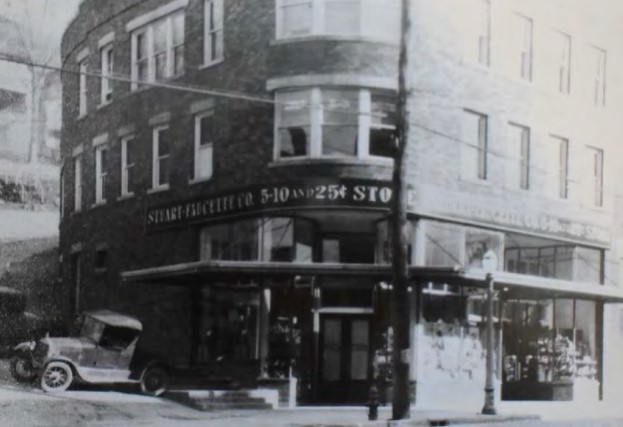
Tabitha Hibbitts Grieger with Appalachia Rising Ventures talks with us in the Historic Peake Building in Appalachia, VA, on their restoration journey on the town’s historic buildings.
Southwest Virginia Museum
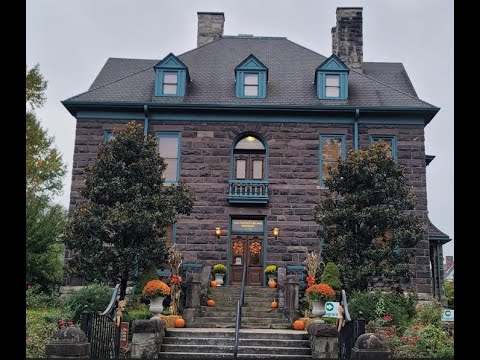
The Southwest Virginia Museum was entrusted to the Commonwealth of Virginia in 1946 by C. Bascom Slemp, a member of the U.S Congress and private secretary to President Calvin Coolidge.
Rocky Mount State Historic Site
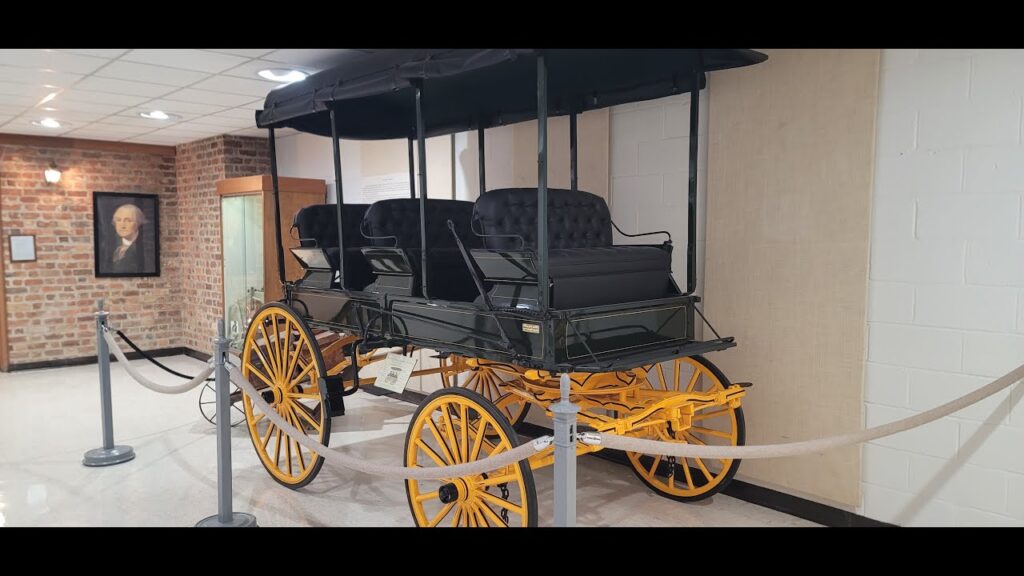
A step back to the 18th Century at the Capitol of the Southwest Territory with the Cobb Family as they share their everyday living with you along with the makings of apple cider and woodworking. We also tour the museum at Rocky Mount State Historic Park.
Fort Boonesborough
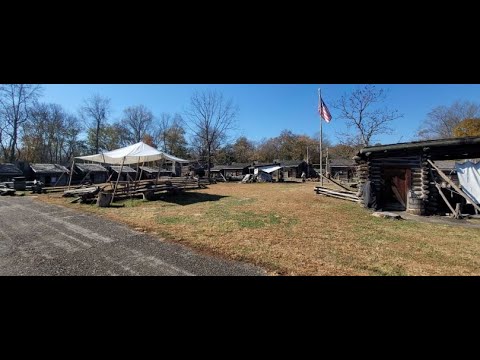
Daniel Boone founded Kentucky’s second settlement in April 1775, and one month later, the state’s first representative of government was held at Boonesborough. Boone had already been in the state years prior as he made his way through the Cumberland Gap on the Wilderness Road.
Portal 31 Lynch, Kentucky

Let’s ride into a former operating mine as we take a step back in time to hear about the everyday lives miners faced underground, immigrant miners looking for a better life, family, and recreation.
Sycamore Shoals State Park/Fort Watauga
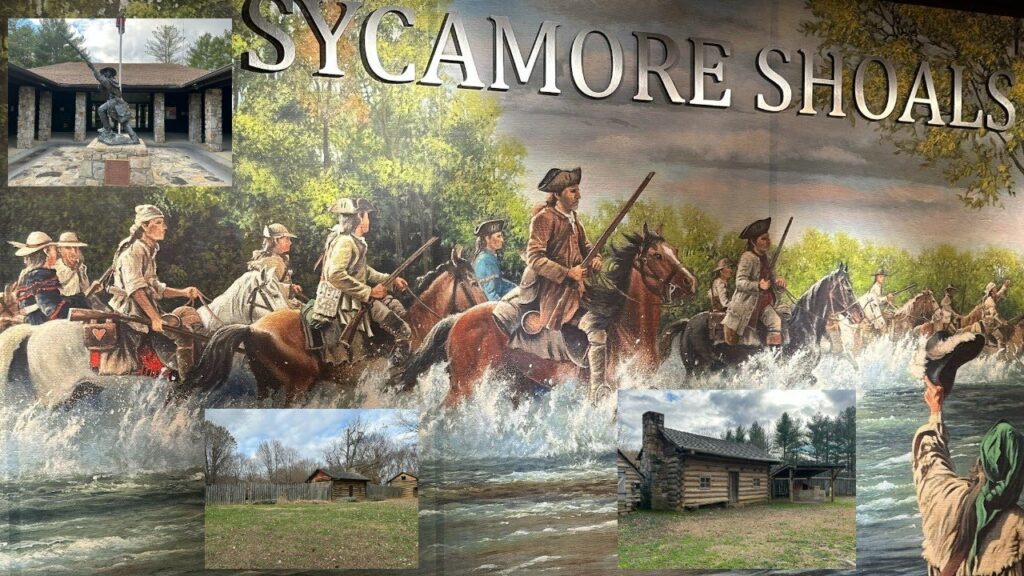
Sycamore Shoals State Historic Park is located along the Watauga River in Elizabethton, Tennessee, on the land where many significant historical events happened during the late 18th century. As many settlers arrived at the settlement, its leaders declared themselves “the first free and independent community on the continent” in 1772
The Country Doctor Museum
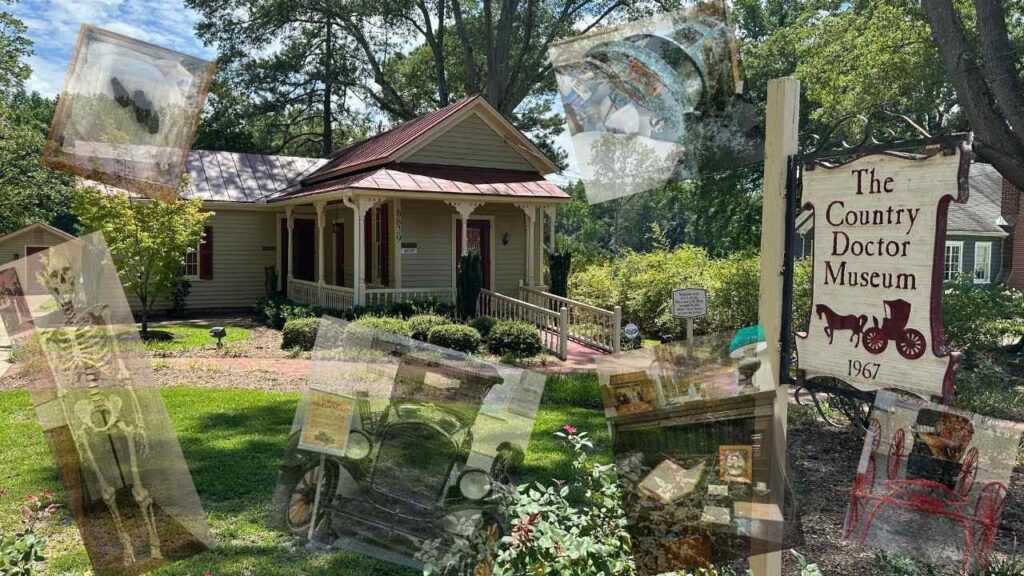
In 1967, Dr. Josephine Newell and Dr. Gloria Flippin Graham with a group of women founded The Country Doctor Museum. Both doctors come from a family line of physicians and were very dedicated doctors to their communities. Dr. Newell would make house calls day and night and had the reputation of carrying a pistol to house calls.
Zero Mine Explosion
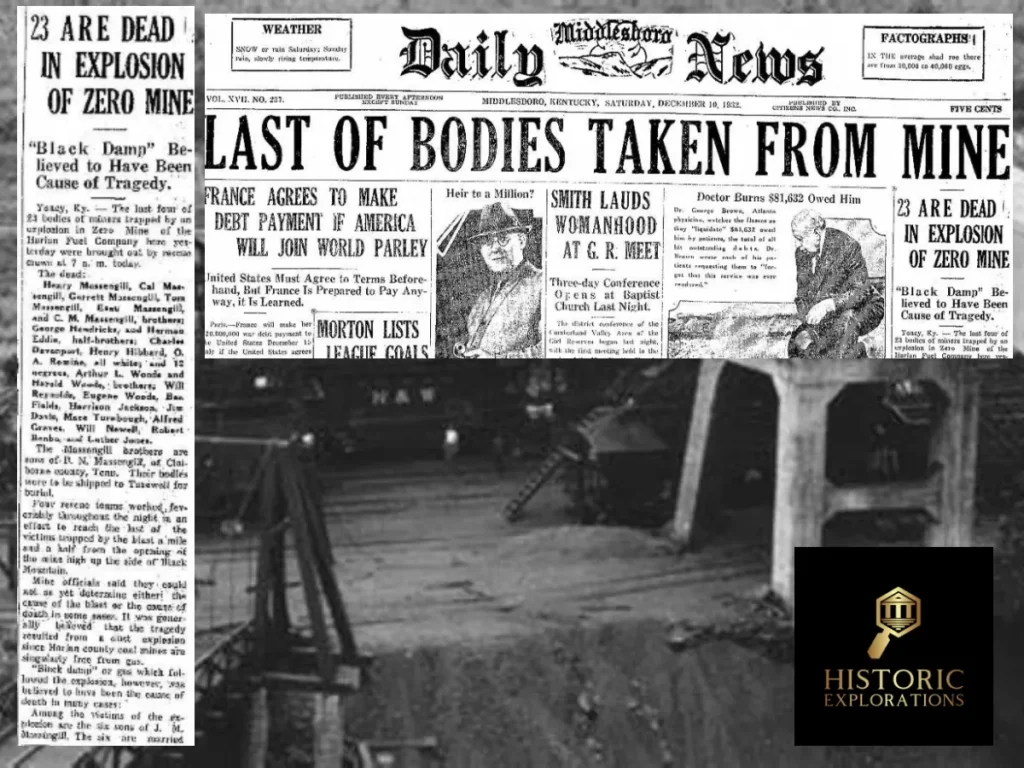
On the morning of December 9, 1932, at 8:30 am, a blast at the Zero Mine, owned by Harlan Fuel Company, was heard in the Yancy section of Harlan County.